Forthcoming!
Climate change is increasingly forcing people to rethink the way they live. How do people, in a diverse set of places, on the forefront of climate emergency, adapt to their new realities? Many are increasingly being displaced by drought, wildfires, melting ice caps, rising seas, hurricanes. Many people stay where they are and invent new ways of life. Thus far, climate change and environmental disaster have disproportionately affected people of color in the global south. The coronavirus pandemic and increasing climate-fueled disasters in the last year have brought it all home for people around the world. All people have been in isolation, worrying about the future and rethinking the way life is lived – we have all become existentially displaced. Adaptation is different in each place. Many see the need for the restoration of forests and regenerative farming. How do people balance cultural preservation with survival? What can we learn from people about resilience, ingenuity?
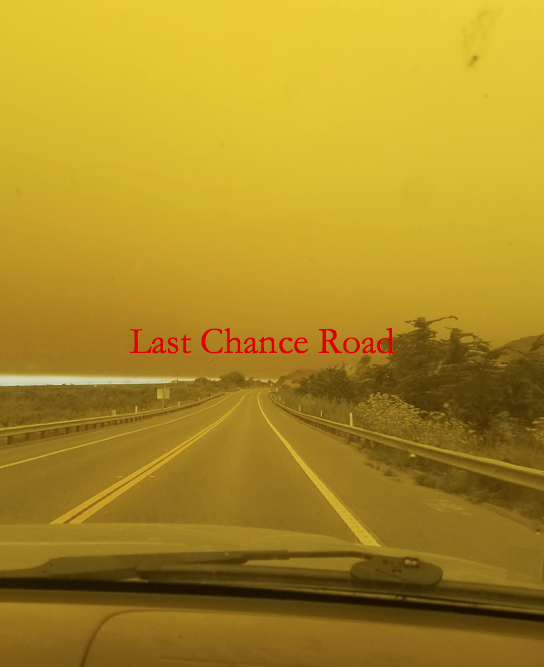
In the face of death, the human response is love. We did not seek love stories, but they’ve found us. The love of a widowed mother for an orphaned son who becomes a humanitarian worker for Save the Children in Ethiopia. The love of a young California couple who flee with their two-year-old daughter Honey ahead of the wildfire that burns down their house and kills their neighbor. A year later they’re decontaminating the soil, planting regenerative crops, and beginning to build their new home with defensible borders. The love of a Maya poet and defender of the earth who defies a death threat to raise their child. The friendship of a guardian of Maya seed corn who dies in the early days of the pandemic and an agronomist who tracks the rainfall and becomes the guardian of the seed. We get it that young people despair about the end of the world to the point of contemplating taking their own lives. Readers inundated with global death news are loath to pick up a book about global warming. But our own experience getting close to climate refugees amidst the isolation of the pandemic, wildfires, drought, toxic air and dying kelp beds makes us feel less anxious and more heartened by the accretion of small things that make big changes. Our profound experience is reverence for defenders of the Earth. Our two-year journey will bring our narrators together to discuss what’s on everybody’s mind: What actions can we take to save our children and the planet? We’re dedicating this book to the children of the Regeneration.
We’re asking displaced people the most fundamental human questions: How have they survived? What forces them to leave their homes? What are their journeys like? How are their experiences crossing borders? What is life like where they currently reside? What relief efforts are working? What can we learn from them? And more specifically: How do Maya farmers in Yucatan, Mexico, whose land is being encroached upon by destructive mega-projects protect their territory, their culture, their way of life? How do historically nomadic herders who have been driven by drought to farm in the highlands in Oromia, Ethiopia adapt to overpopulation while trying to maintain their cultural identity? How do firefighters in Santa Cruz County, California, fight the largest wildfire in one hundred years of history while masking up with Covid? How do coastal fishermen and farmers in the Asia Pacific adapt and respond to warming seas, typhoons, and rising sea levels?
We’re seeking wisdom from the displaced, those who come to their aid, as well as those who are fighting for their right to stay home and defend the land. We hope their stories will catalyze questions in readers. Since humans are causing these environmental crises, how can humans work to create change? What kinds of legal, economic, social, moral paradigm shifts would need to take place to ensure human rights are respected? How can we re-envision our relationship with nature?
 Solito2Solidarity