S2S Community
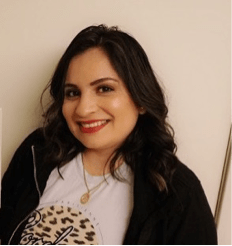
Soledad Castillo is an advocate for disadvantaged young people and is a Housing Case Manager at First Place for Youth in San Francisco. Soledad earned her Associate degree in Social and Behavioral Science at City College of San Francisco, and a Bachelor of Arts degree in Liberal Studies with a minor in Criminal Justice at San Francisco State University, where she graduated cum laude. She is working towards her Master of Social Welfare (MSW) degree at UC Berkeley. When Soledad’s stepfather sexually abused her, she had to leave her hometown in Honduras and work in the city at twelve. Misdiagnosis with Lupus, she was of verge of death. At fourteen, Soledad walked for days in the desert to cross into the U.S. She entered to the foster care system, where she was mistreated before finding a caring family.
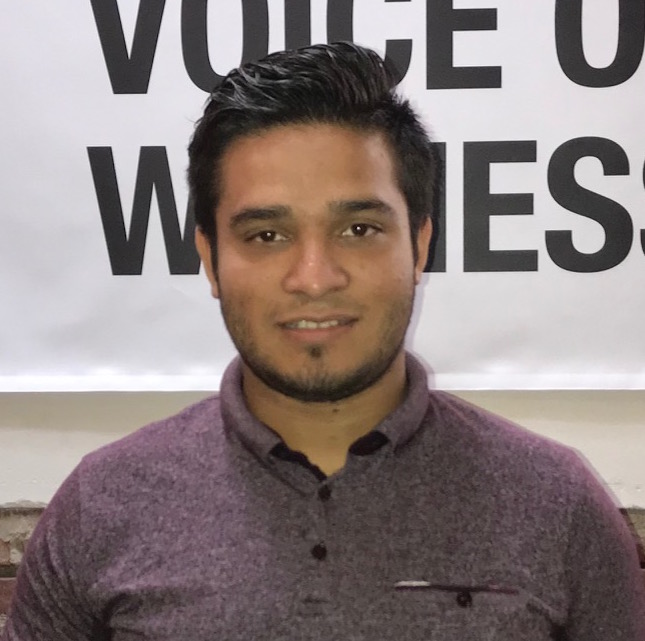
Gabriel Méndez is an activist and advocate for youth Honduras who hopes to empower those who have gone through sexual violence, domestic violence, and discrimination. Gabriel earned a Bachelor of Arts from UC Berkeley in Public Policy, Communication, and Spanish. He has worked as a tutor in the San Francisco Unified School District and the San Francisco International School. Gabriel would like to tell all youth that they are worth it and that there is space for them in society. No matter political affiliations or migratory status, one is be human. When he was raped as a child, he never thought he was worth it, but life experiences have made him stronger. The process has not been easy, yet he strives to continue doing what he likes. As a member of the LGBTQ community, he feels it is it is his duty to advocate for everyone who is persecuted or humiliated.
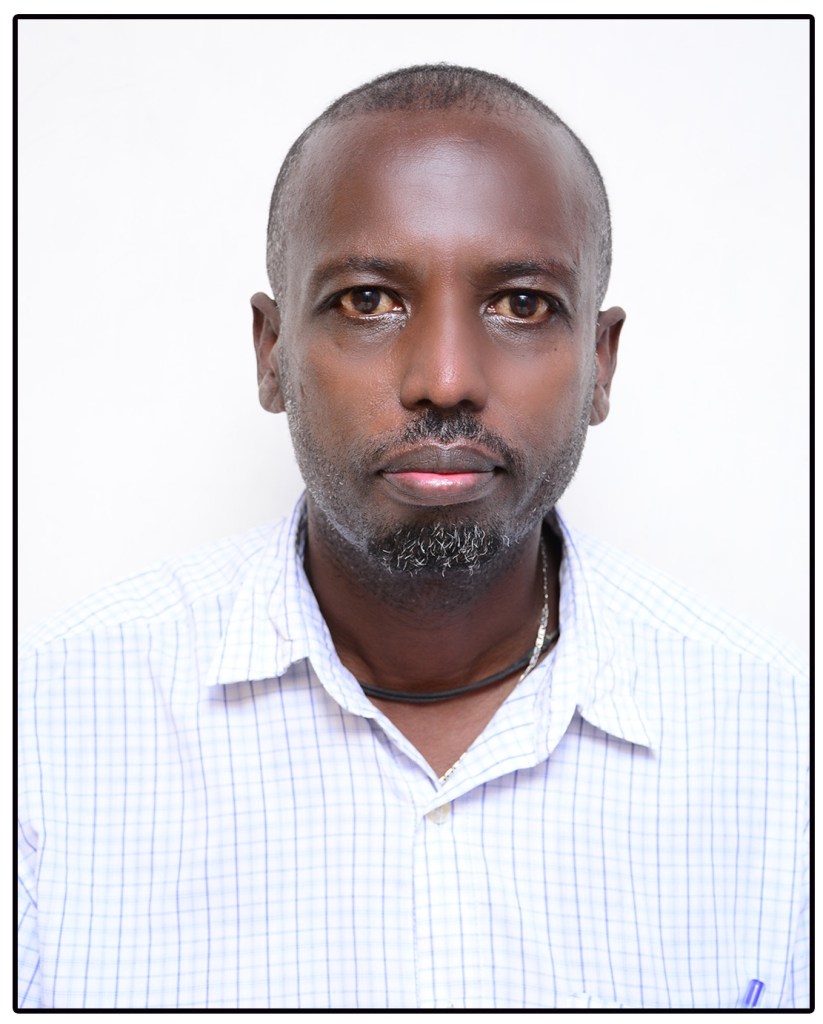
Seifu Assegid was born and raised in the Eastern part of Ethiopia in Diredawa city. At age six, he lost his father in the Ethio-Somali War. His widowed mother was forced to fell trees to survive. Seifu then went to Cuba at age eight on scholarship as an orphan to study at a government-run primary and junior high school. Seifu returned from Cuba to finish high school with his sister in Tigray, where he witnessed the severe malnutrition crisis there in the ‘80’s. Currently, Seifu works for Save the Children as a Roving Humanitarian Communication Coordinator. Seifu earned a Diploma in environmental Health Science from Gondar College of Medical Science and a BA in Disaster Risk Management and Sustainable Development from Yardstick International University. Seifu’s photographs and stories have appeared in popular television programs, newspapers, and magazines including the UK Daily Telegraph, Aljazeera TV, and media outlets in Australia and elsewhere. He has been voice to the voiceless by sharing their stories for donors and members of Save the Children. His work mainly focuses on people affected by climate change, and is informed by his personal experiences as a child and adult.
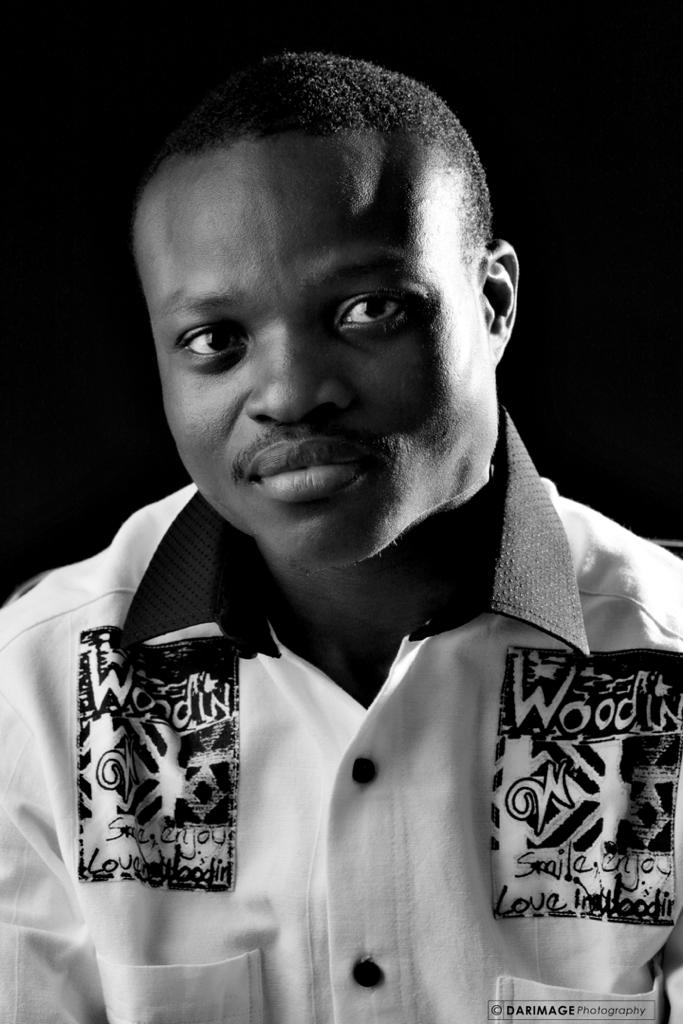
Ibrahim Tchan is a Beninese jurist specializing in cultural heritage and the Executive Director of the Corps des Volontaires Béninois (Corps of Benin Volunteers). He is also Director and Co-Founder of the Tata Somba Ecomuseum, the first ecological museum in West Africa. After Koutammakou, Land of the Batammariba, was included on the 2020 World Monuments Watch, he began coordinating the Koutammakou Cultural Landscape Preservation Project, Benin and Togo with his organization, Corps des Volontaires Béninois, with the financial support of the World Monuments Fund. Also a member of the Climate Heritage Network (CHN), he is CHN Africa Region Representative within the Climate Heritage Network-GlobalABC / Green Solutions Award Engagement Task Team. Activist and musician, Ibrahim Tchan is particularly active in projects involving the participation of local communities in the management and animation of world heritage, he designed the ConP’Art (Knowing my world heritage) didactic tool dedicated to educating children (10 and 13 years old) on African world heritage through the character of Comic Strip called Tory, the Little Ecocitoyen.
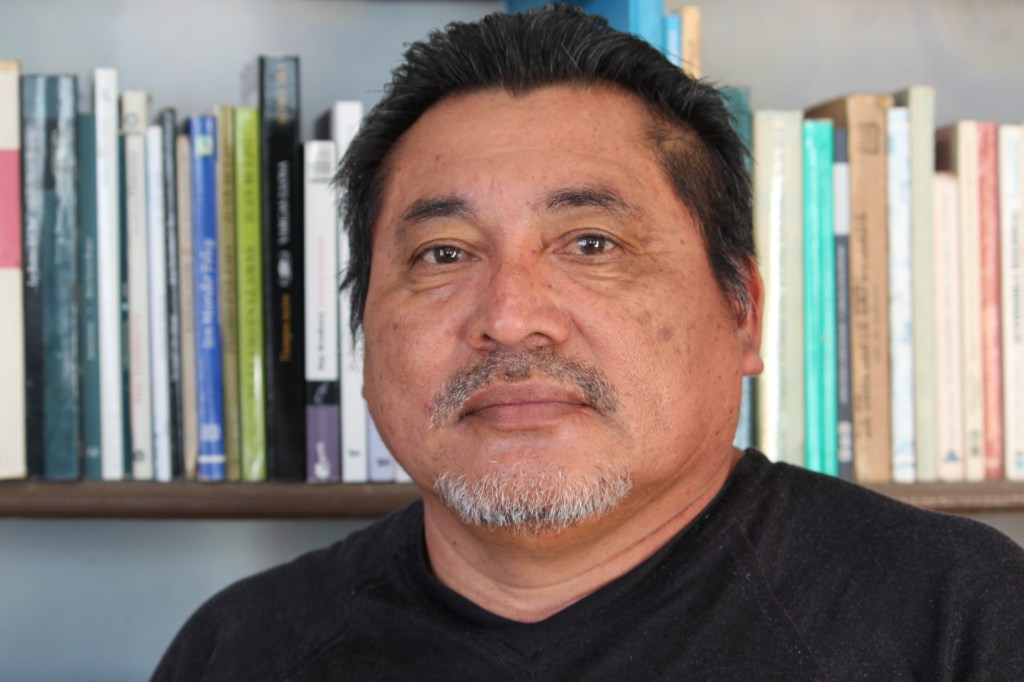
Pedro Uc Be is a poet, teacher, and defender of the Maya land in Yucatan, Mexico. He is a member of the Assembly of Defenders of the Maya Múuch ‘Xíinbal Territory, an organization that aims to defend its territory from the dispossession applied by mega-companies of renewable energy in the Yucatan Peninsula. Pedro is currently a professor at the School of Literary Creation of the State Center of Fine Arts (CEBA), a campus where he also studied. He also graduated as a theologian from the San Pablo Presbyterian Theological Seminary in 1985 in the city of Merida. He has a degree in Secondary Education in the area of Social Sciences from the Escuela Normal Superior de Campeche. He was a professor of Philosophy and History since 1993 in the city of Ticul, Yucatán at the José Dolores Rodríguez Tamayo Educational Center (CERT).

Anahí Haizel De la Cruz Martín is a Maya photographer. She was born in Ticul, Yucatán, on July 25, 1993. She studied high school at the Rodríguez Tamayo Educational Center. On March 7, 2018, within the framework of International Women’s Day, she participated in a group exhibition Mujeres, Movement and Perspective, on the main trellis of the State Center of Fine Arts of Mérida, Yucatán. On August 9, she was invited to the collective exhibition The memories of the Mayan Territory at the Museo Maya Santa Cruz Xbáalam Naj in Felipe Carrillo Puerto, Quintana Roo, Mexico. She was a fellow of the Young Creators 2019-2020 program of the Fund for Culture and the Arts (FONCA) in the Visual Arts Photography Area. She has published her photographs in the magazines La Ojarasca, Revista Sinfín, in the Italian magazine La Macchina Sognante, as well as in the Mexico News Daily newspaper and the Diario de Yucatán. Haizel accompanies and documents processes of struggle for the vindication of the Mayan language and culture as a member of the Assembly of Defenders of the Maya Múuch ’Xíinbal Territory. She has shared his photographs on Facebook and on her blog for the outreach of the communities. https://haizeldelacruzm.wixsite.com/misitio.
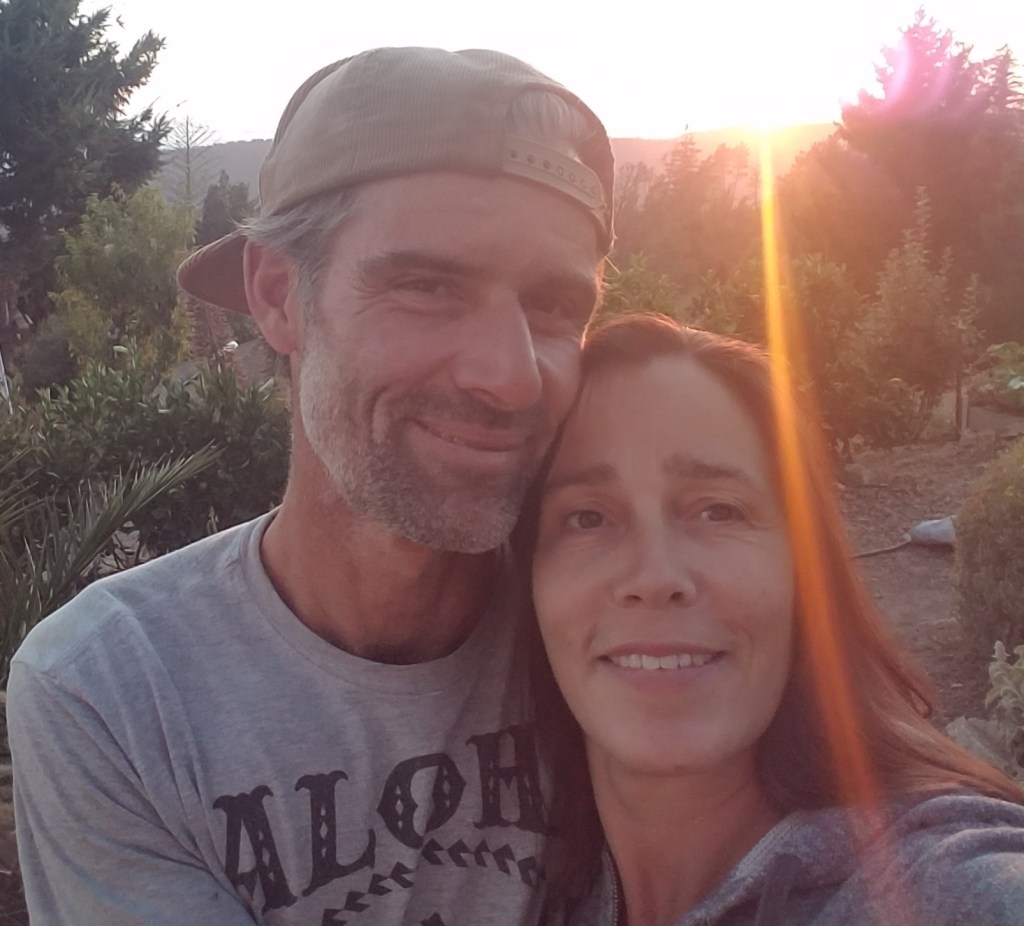
Gina and Gardner Lund survived the CZU Lightning Complex wildfire in the Santa Cruz Mountains of California in August of 2020 with two of their children. The climate-induced mega-fire started when over eleven thousand lightning bolts struck California in a single night, and burned over forty thousand acres. Gina and Gardner have started a community organization based out of their business location in called 3 Sisters 3 Corners, which will be providing workshops and seminars on fire prevention, regenerative farming, and medicinal herbs and plants with the main focus being on community resilience. They are also working to learn from local indigenous groups to care for the forests, replant indigenous plants and trees in burned areas, and restore the Santa Cruz Mountains to health with Gardner recently completing a wild-land firefighter course. Their underlying goal is to put the healing power of the land and all of its magic back in the hands of the people, where it belongs.
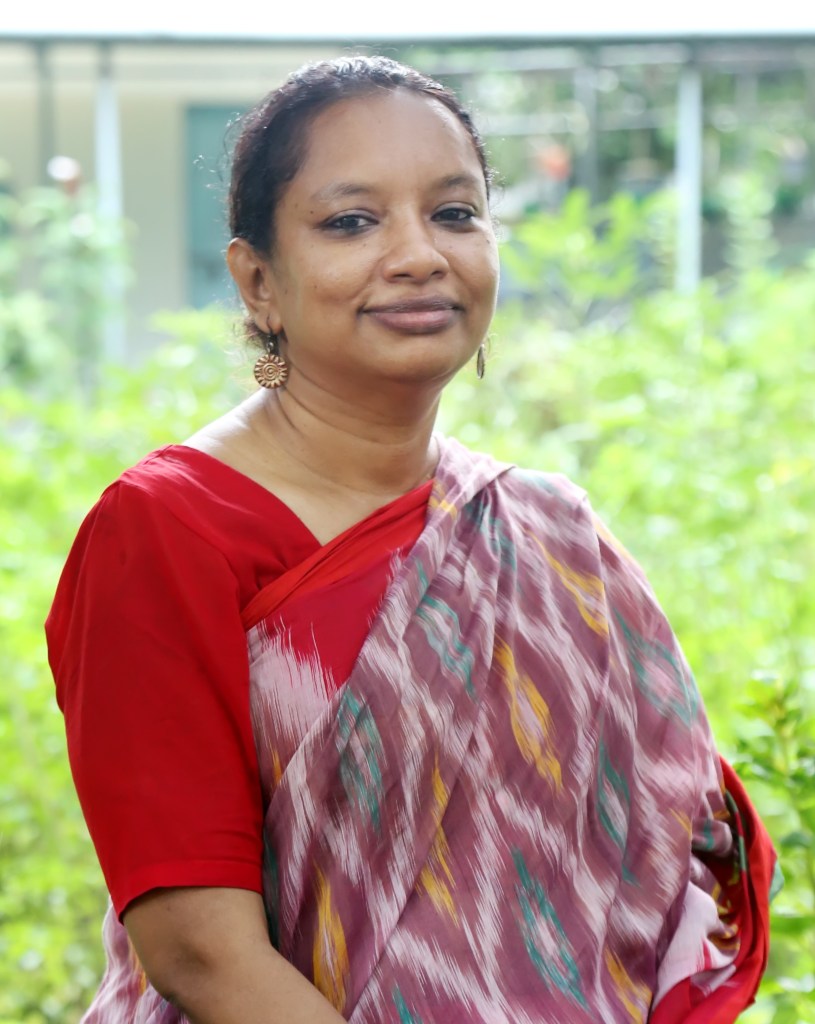
Lipi Rahman is one of the founders directly involved in the evolving of Badabon Sangho. She has been supporting organisation with money, labour and suggestion. She has worked as Executive Director of Badabon Sangho since its inception on volunteering basis. Currently she is acting as Executive Director and General Secretary of Executive Committee. She worked with non-profit development sector for last 20 years with different capacities. She was born and brought up in an educated Muslim family. She earned a Master’s in Political Science from University of Dhaka. She has a strong passion and commitment for the vulnerable women. She is single lady, spending most of the time for organisation wellbeing.
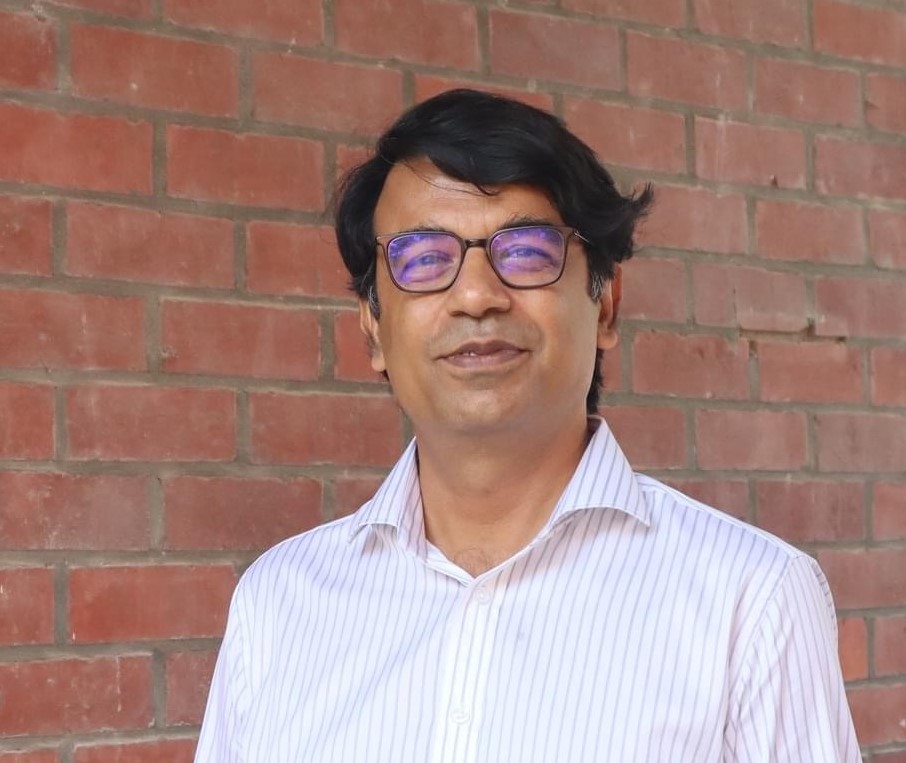
Mamun Ur Rashid is working with a national women’s rights organisation i.e. ‘Badabon Sangho’ in Bangladesh, working for human rights and climate justice. He was born and brought up in the southwest coastal region at the belt of the Bay of Bengal, where people are continuously fighting with climate induced violence and displacement, mobilizing, organizing, and educating vulnerable women, equipping them with tested tools and methods and helping them to be resilient. This is his day-to-day work.
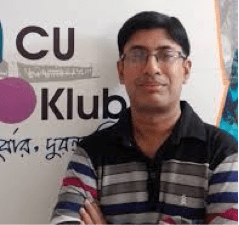
Prabal Barua, Program Manager of Young Power in Social Action (YPSA) in Chittagong, Bangladesh, earned a Doctor of Philosophy degree at Jahangirnagar University’s Department of Environmental Sciences. His research topic was “Sustainable Adaptation in Responses to Climate Change for South-Eastern Coast of Bangladesh.” At present he is working as a Program Manager of the project “Addressing the Rights and Needs of Climate Forced Displaced People of South-Eastern Coast of Bangladesh” with the support of the Climate Justice Resilience Fund (CJRF). He is one of the editorial members of ‘Social Change’, a journal of YPSA, and staff member of Knowledge Management and Development (KM4D) Department of YPSA. He graduated from Institute of Marine Sciences and Fisheries under University of Chittagong. He did an M.Phil degree from the University of Calcutta, India under the theme of coastal pollution and biodiversity.
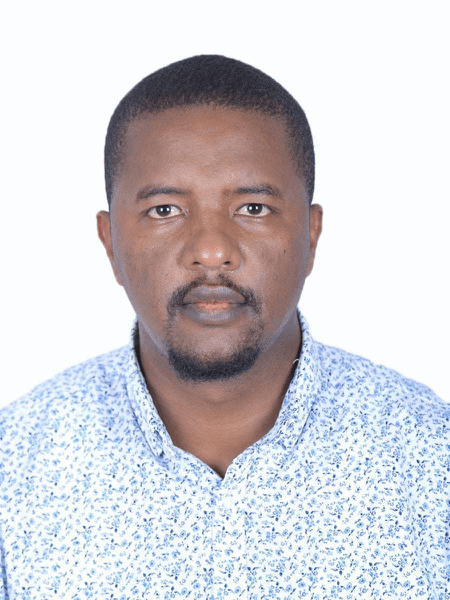
Roba Bante was born in a small town called Mega along the Ethio-Kenyan boarder and grew up in Borana in Southern Ethiopia. He completed my primary education and moved to Yabello for my high school which is the current capital of Borana Zone. He lived in Yabello for four years before he Joined Gondar University to pursue his undergraduate degree in Anthropology. After he graduated from university, he went back to Borana and Joined a Local NGO as emergency coordinator in an attempt to serve his community in whichever capacity he can. This is the time he realized how climate change has really affected the livelihood of community living in different parts of Borana. The visits he did to various corners of Borana gave him an opportunity to witness the impacts of climate change on pastoral livelihood which then made me think about further researching it. After one year he enrolled into my Masters degree and did his thesis on the impacts of Climate change on Pastoral Livelihood, A case of Borana which furthered my understanding of the subject matter in greater detail. Since then he has been working with CARE International, HelpAge International and Save the Children International in various parts of Ethiopia and has been exposed to different livelihood zones. He has worked for Save the Children for over six years now – first in the Addis, then In Afar and then back to Addis in various leadership role in Humanitarian department. He is now fully time Humanitarian surge personnel with Save the Children International Global office.
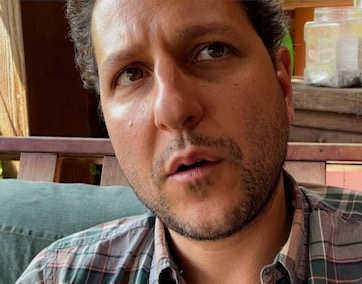
Pascal Broca was born in Tunisia and grew up in southwestern France near Bordeaux. As a child his best memories are of a big oak tree, walnut and apple orchards at his grandparents home near the small town of Royan on the Atlantic Coast. He went to college in Nancy to study engineering and spent a year studying in Sweden. With degrees in computer science and electrical engineering he went to work in Germany for Hewlett Packard and came to the US for a project but fell in love the redwood forests in the Santa Cruz mountains of California. At age thirty-nine, his car was struck from the rear and he suffered traumatic brain injury. Hospitalized in a cell-like hospital room in France, he felt so much joy when he came home to hug the trees. He moved back to the Santa Cruz mountains, where he owns a home surrounded by ten acres of redwoods. One night he was awakened by a tsunami like wind followed by hundreds of lightning strikes in all directions. As a volunteer firefighter, he packed his bag and went to the Bonny Doon fire station. But the wildfire could not be contained, and after a few days the fire crews left the scene. Alone, with a water hose, chain saw, he fought the fires and saved many homes in his neighborhood.
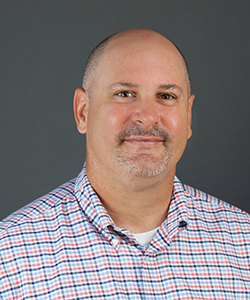
Denis Rey is an associate professor of political science at the University of Tampa specializing in international relations and Latin American politics. His published research has focused broadly on youth migration from Central America to the United States, political institutions, and comparative public and foreign policy, and has appeared in journals such as International Area Studies Review, Global Environmental Politics, Journal of Information Technology and Politics, and Social Science Quarterly. Rey’s current research seeks to provide a better understanding of Cuban immigrant revolutionary life through the printed newspapers of the Cuban diaspora in the United States, Caribbean, and Gulf World between 1868 and 1900. He has received several grants to recover, digitize, and render these artefacts useful as research instruments. Rey also co-directs the Center for José Martí Studies Affiliate where he promotes scholarship and teaching focusing on the life and work of this iconic hero of Cuban independence.
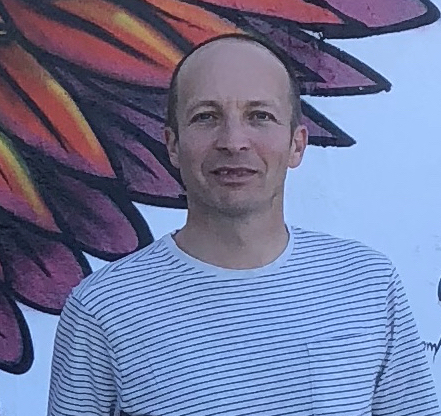
Steven Mayers is an oral historian, writer, and professor in the English Department at the City College of San Francisco. Steven earned a BA in English from the University of Oregon, an MA in Comparative Literature from San Francisco State University, and an EdD in Organization and Leadership from the University of San Francisco. Steven’s work has appeared in journals, newspapers and magazines including the New York Times, the San Diego Union Tribune, Versal, Travesías, Gatopardo. He is co-editor of Solito, Solita: Crossing Borders with Youth Refugees from Central America, a collection of oral histories published by Haymarket Books in the spring of 2019 as part of the Voice of Witness book series on human rights. Solito, Solita was shortlisted for the Juan E. Méndez Book Award for Human Rights in America and was picked by Remezcla as #1 in their Best Latino and Latin American History Books of 2019.
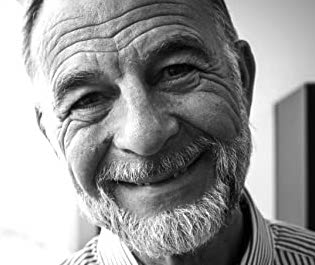
Jonathan Freedman is a Pulitzer Prize-winning journalist, author, and social activist with more than forty years’ experience reporting from South America, Central America, Mexico, and the US border. His six-year series of investigative editorials for the San Diego Tribune was influential in the passage of the landmark 1986 US immigration reforms that authorized 2.7 million undocumented immigrants to become permanent legal residents. He is co-editor of Solito, Solita: Crossing Borders with Youth Refugees from Central America, a collection of oral histories published by Haymarket Books in the spring of 2019 as part of the Voice of Witness book series on human rights. He is also the author of various books, including From Cradle to Grave: The Human Face of Poverty in America, and Wall of Fame: Save Schools and Transform Lives, and a novel, The Last Brazil of Benjamin East.
 Solito2Solidarity